Best time to visit 320 Guest Ranch: month-by-month guide
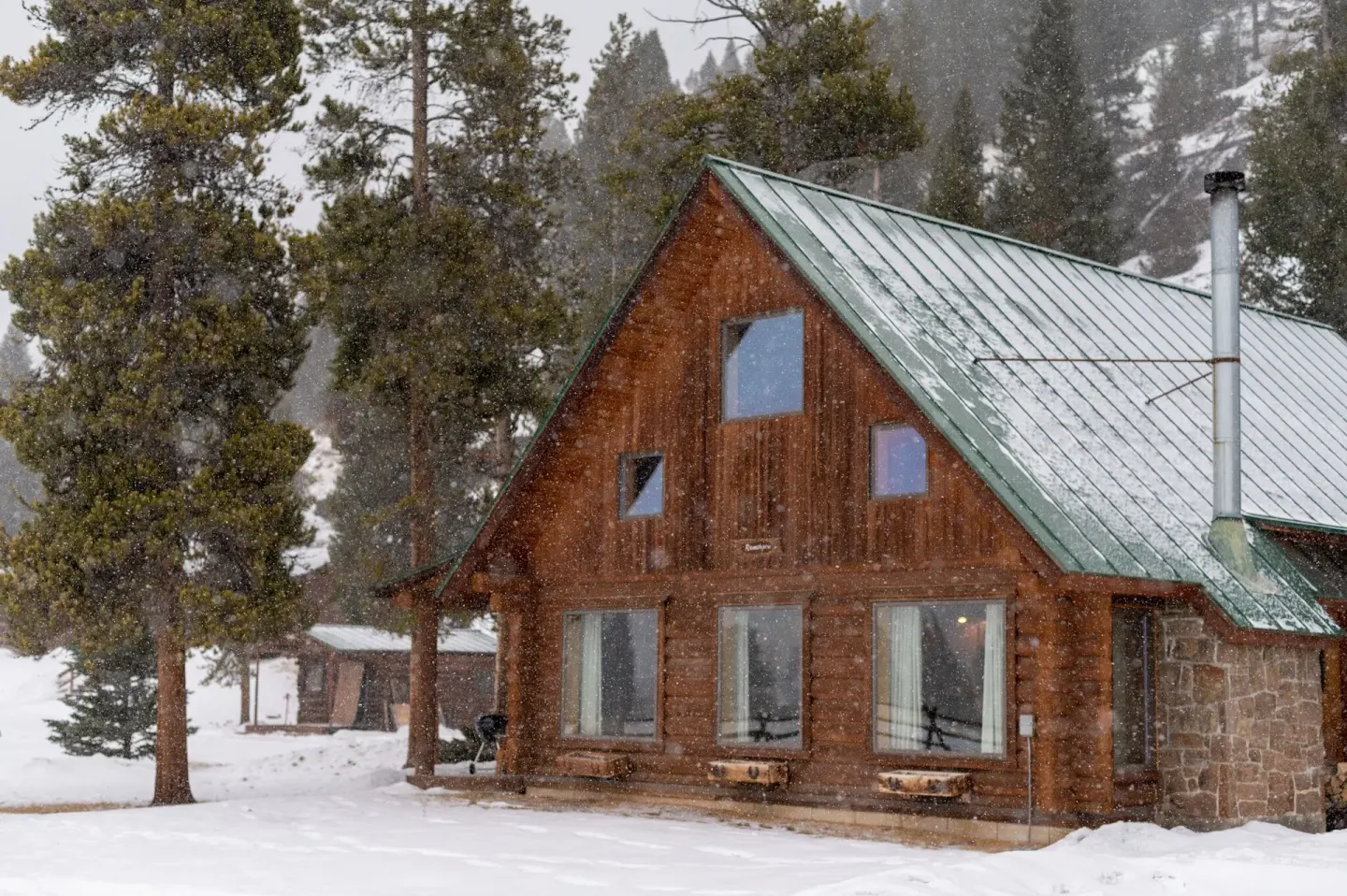
Best time depends on what you want: mid-June through mid-September is the warm, dry window for hiking, fishing, rafting, and porch-side summer events; late November through March is when winter activities and nearby Big Sky skiing are in full swing. Shoulder months (May, September–October) offer fewer crowds and good wildlife viewing for Yellowstone day trips.
In this guide
- Season overview: what each season delivers
- Month-by-month planning (quick notes for each month)
- Best months for Yellowstone day trips and wildlife viewing
- When to visit for skiing and winter activities
- When to book for weddings, conferences, and group events
- Practical booking tips by month (pets, rooms, and logistics)
Season overview: what each season delivers
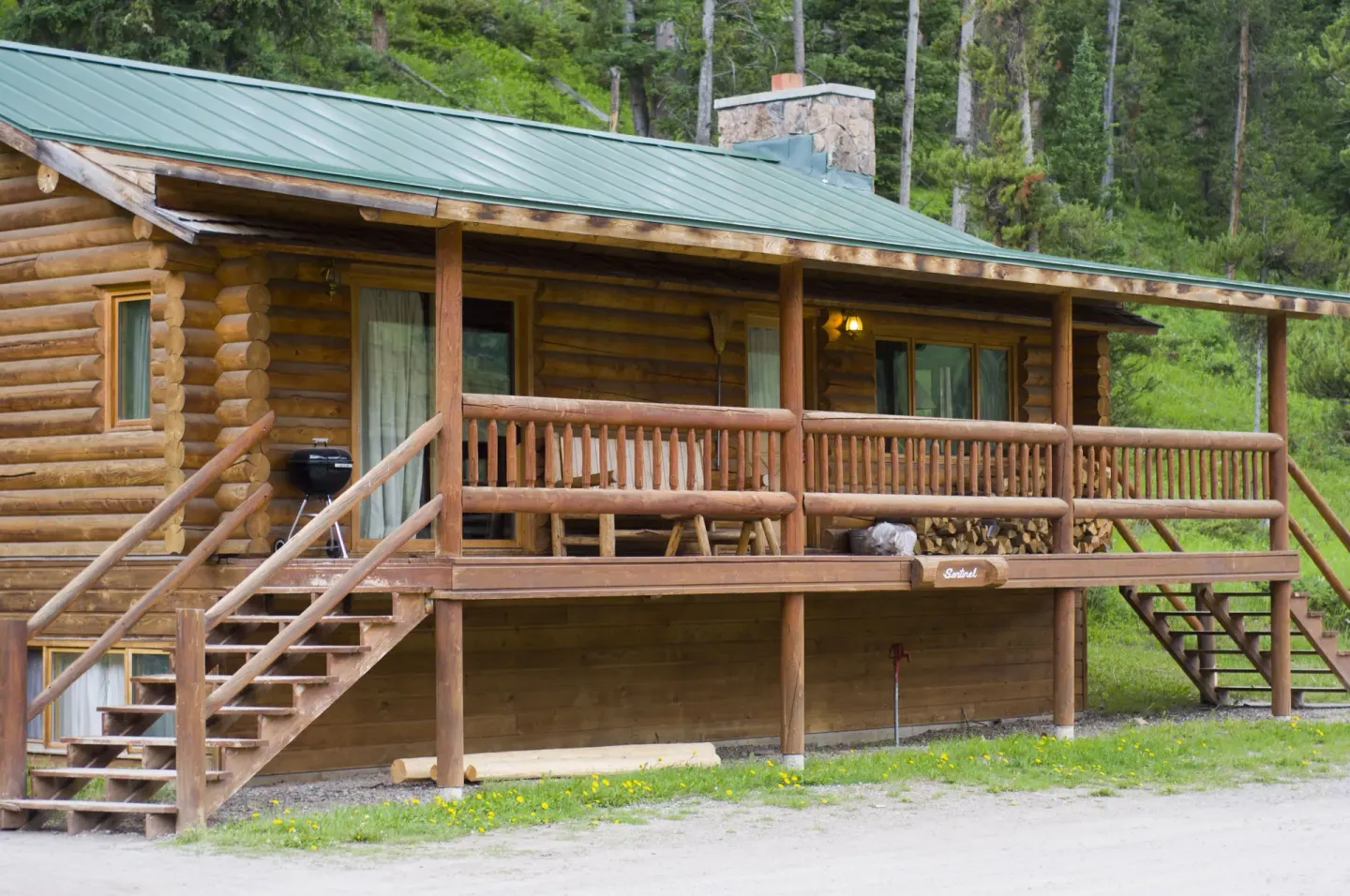
Summer (mid-June to mid‑September) is the clearest, driest period for on-site fishing, guided horseback rides, Porch-Side Picnic events, Chuckwagon BBQs, and river activities. McGill's Restaurant & Saloon and many seasonal programs operate in summer.
Fall (September–October) is a quieter shoulder season with good wildlife viewing and easier Yellowstone day trips; some ranch services and activities reduce hours as the property prepares for winter.
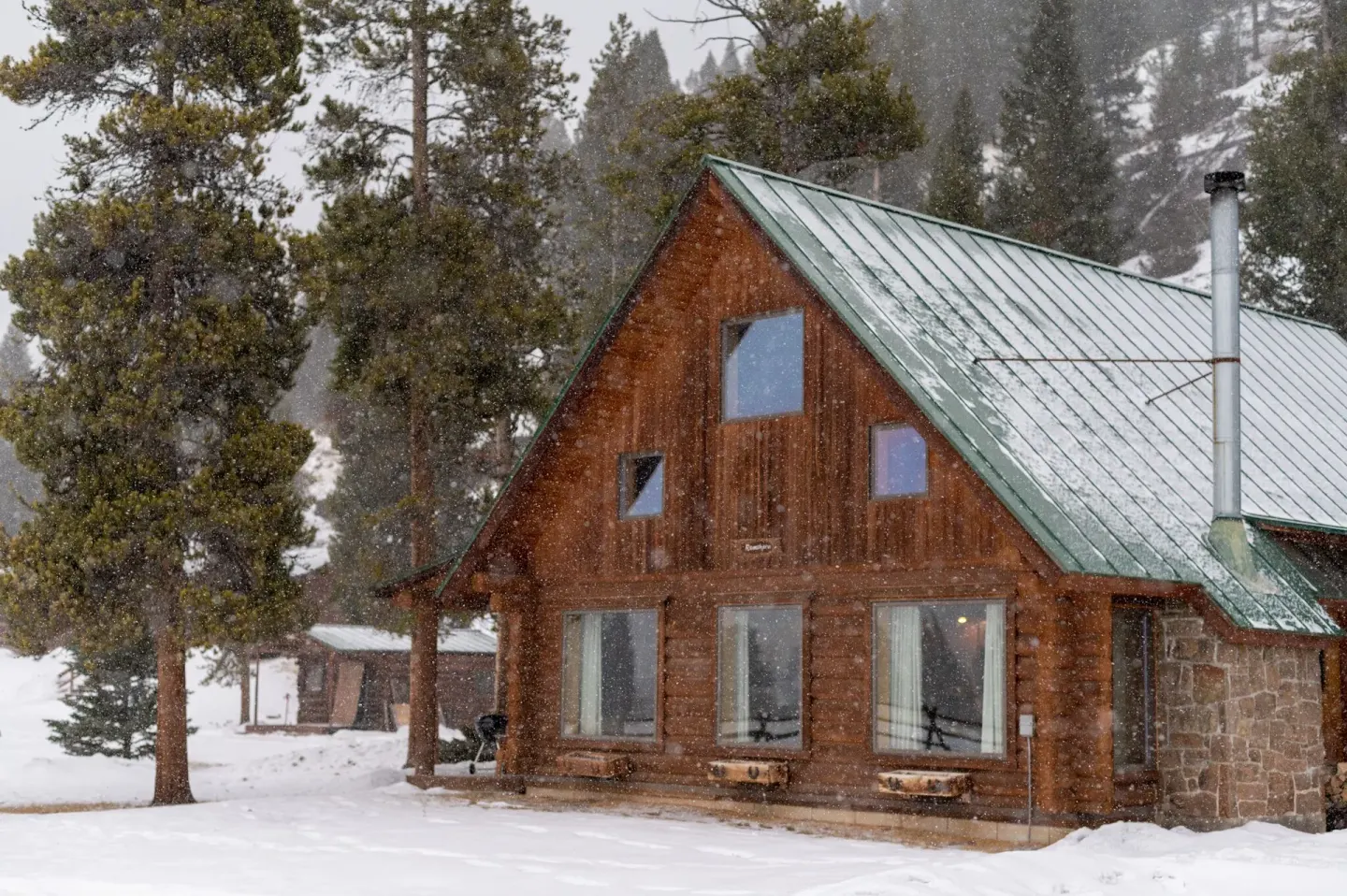
Winter (late November–March) focuses on snow activities: sleigh rides, ice fishing on the ranch pond, and easy access to Big Sky skiing. Expect cold temperatures and more limited road conditions on US‑191 at times.
- Summer: best for hiking, rafting, fishing, and weekly summer events.
- Shoulder seasons: fewer crowds, lower activity schedules, good wildlife viewing.
- Winter: guaranteed winter sports nearby and ranch sleigh/ice-fishing options.
| Season | Main draws |
|---|---|
| Summer | Fishing, horseback rides, Porch-Side Picnic, rafting, McGill’s open |
| Shoulder (May/Sept–Oct) | Wildlife viewing, quieter stays, Yellowstone day trips |
| Winter | Sleigh rides, ice fishing, skiing at nearby Big Sky |
Month-by-month planning (quick notes for each month)
Use these short notes to decide which month matches your priorities (outdoor activities, ski access, fewer crowds, or venue availability). The ranch runs seasonal events and dining; check current schedules before booking.
This list reflects typical seasonal patterns for the Gallatin Canyon/Big Sky area—always confirm with the ranch for exact activity and dining availability.
- January: Peak winter temperatures and consistent snowfall; best for nearby downhill ski trips and winter ranch activities like sleigh rides and ice fishing.
- February: Similar to January — strong ski conditions and winter activities; road conditions on US‑191 can be wintery.
- March: Good late-winter skiing; variable conditions as temperatures begin to moderate late in the month.
- April: Transition month — snowpack decreases, some services on limited schedules; check ranch activity availability.
- May: Shoulder season — spring melt, wetter conditions (May is typically the wettest month), fewer crowds; some summer programs not yet operating.
- June: By mid-June warm-weather window begins — hiking, fishing, horseback riding ramp up; Porch-Side Picnic and summer events start later in June.
- July: Hottest and driest month with the clearest skies; prime time for rafting, fishing, and summer ranch programming.
- August: Continued summer programming and warm weather; busy season for families and groups at the ranch and nearby Big Sky attractions unless you visit in late August when things begin to quiet slightly into September.
| Month | Best for |
|---|---|
| September | Early month: warm days, good wildlife viewing; late month: quieter, cooler; good shoulder-season Yellowstone visits |
| October | Fall colors, minimal summer crowds, limited ranch services as winter prep begins |
| November–December | Early winter shows up by late Nov — transition to winter operations; by December expect snow and winter programming |
Best months for Yellowstone day trips and wildlife viewing
Shoulder months (May–June, September–October) are preferred for Yellowstone day trips if you want fewer crowds and active wildlife viewing. Cooler mornings and evenings concentrate animal activity near roads and water sources.
Late June through August is fine for Yellowstone too, but expect more visitors at park gates and attractions; summer scheduling also means more consistent ranch services for return evenings at 320 Guest Ranch.
- May–June: Good wildlife and fewer crowds; spring migration and newborns increase sightings.
- July–August: Warmer weather but busier park conditions; best if you prefer guaranteed ranch summer activities after your day trip.
- September–October: Cooler, quieter, excellent for wildlife and photographers; some services start to reduce hours.
| When | Why choose it |
|---|---|
| May–June | Active wildlife, fewer tourists |
| July–August | Reliable ranch summer programming |
| September | Lower crowds, good wildlife, milder weather |
When to visit for skiing and winter activities
Big Sky Resort ski season typically runs late November through late April; January–February are the deepest snow months and busiest ski periods. 320 Guest Ranch is commonly used as a base for day trips to Big Sky and Moonlight Basin.
The ranch itself runs winter offerings like horse-drawn sleigh rides and ice fishing on the ranch pond; expect cold temperatures and occasional winter road impacts on US‑191. Confirm activity dates and road conditions before travel.
- Late Nov–Mar: Skiing nearby and in-ranch winter activities available.
- January–February: Most consistent snowfall for downhill and cross-country skiing.
- March: A mix of full-season skiing with softer spring conditions—popular for value and still-strong snowpack.
| Month range | Winter reason |
|---|---|
| December–February | Full winter operations and best snow conditions |
| March | Good ski conditions with warmer daytime temps |
| Late November | Resort openings and transition into winter programming |
When to book for weddings, conferences, and group events
Peak wedding months typically align with summer and early fall; Brask Lawn, the riverside Tent, Banquet Hall, and Brask Center are used year-round but availability is busiest mid-June through September. The ranch hosts one wedding per day and enforces a midnight curfew.
For corporate retreats and conferences, spring and fall shoulder months can offer lower rates and easier scheduling of meeting rooms and the Conference Center. Always coordinate dates with the Events Coordinator and check included rentals (tables, chairs, linens, china).
- Summer (June–Sept): most event demand—outdoor ceremony options popular.
- Shoulder seasons (May, Sept–Oct): fewer conflicts, easier booking for multi-day meetings.
- Winter: indoor venue use and intimate winter weddings are possible; verify service and dining availability.
| Venue | Typical season of highest demand |
|---|---|
| Brask Lawn / The 320 Tent | Summer |
| Banquet Hall / Conference Center | Spring & Fall shoulder months and summer |
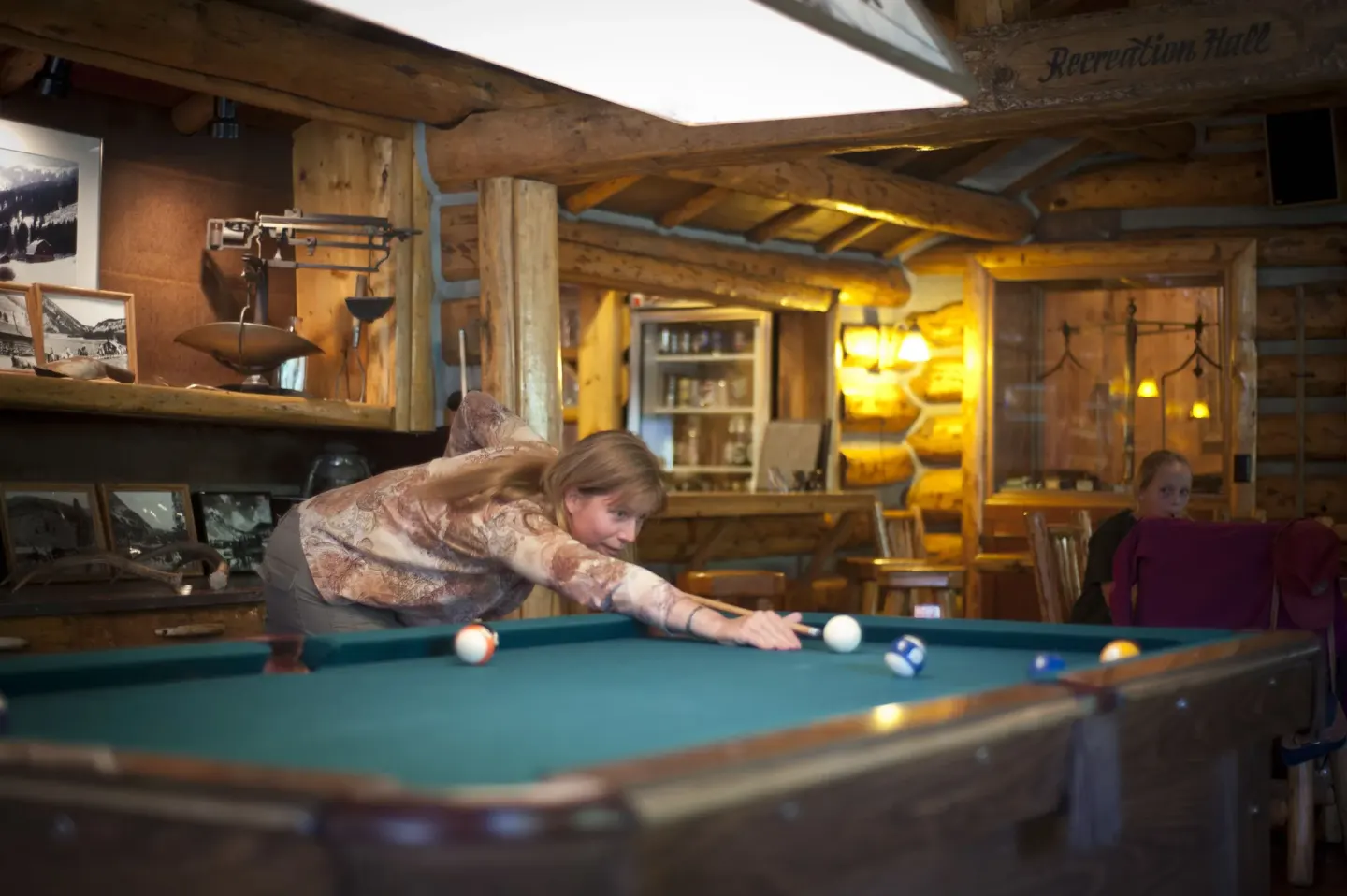
| Historic Saloon / Dining Room | Year-round for smaller gatherings |
Practical booking tips by month (pets, rooms, and logistics)
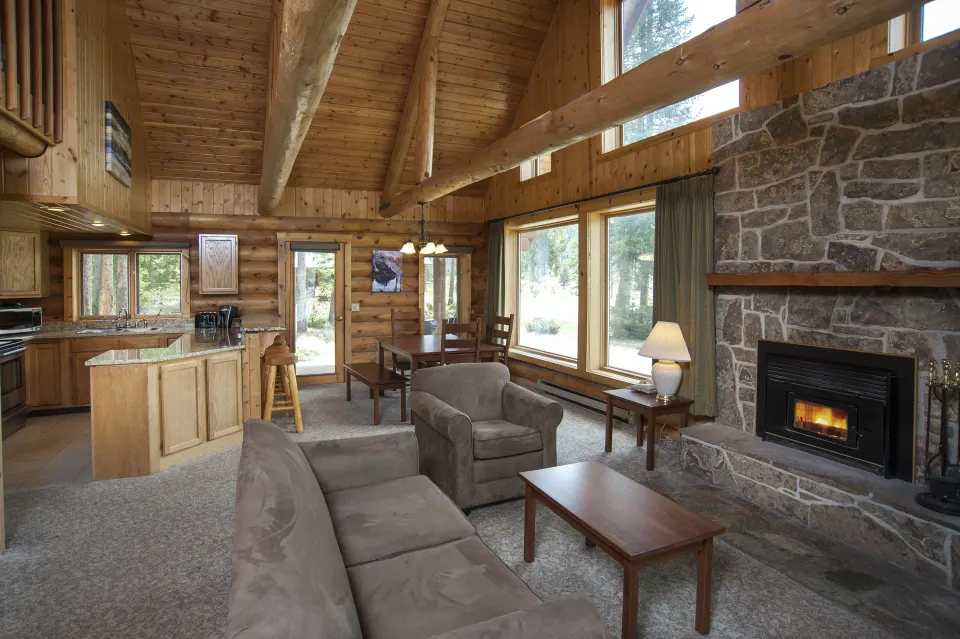
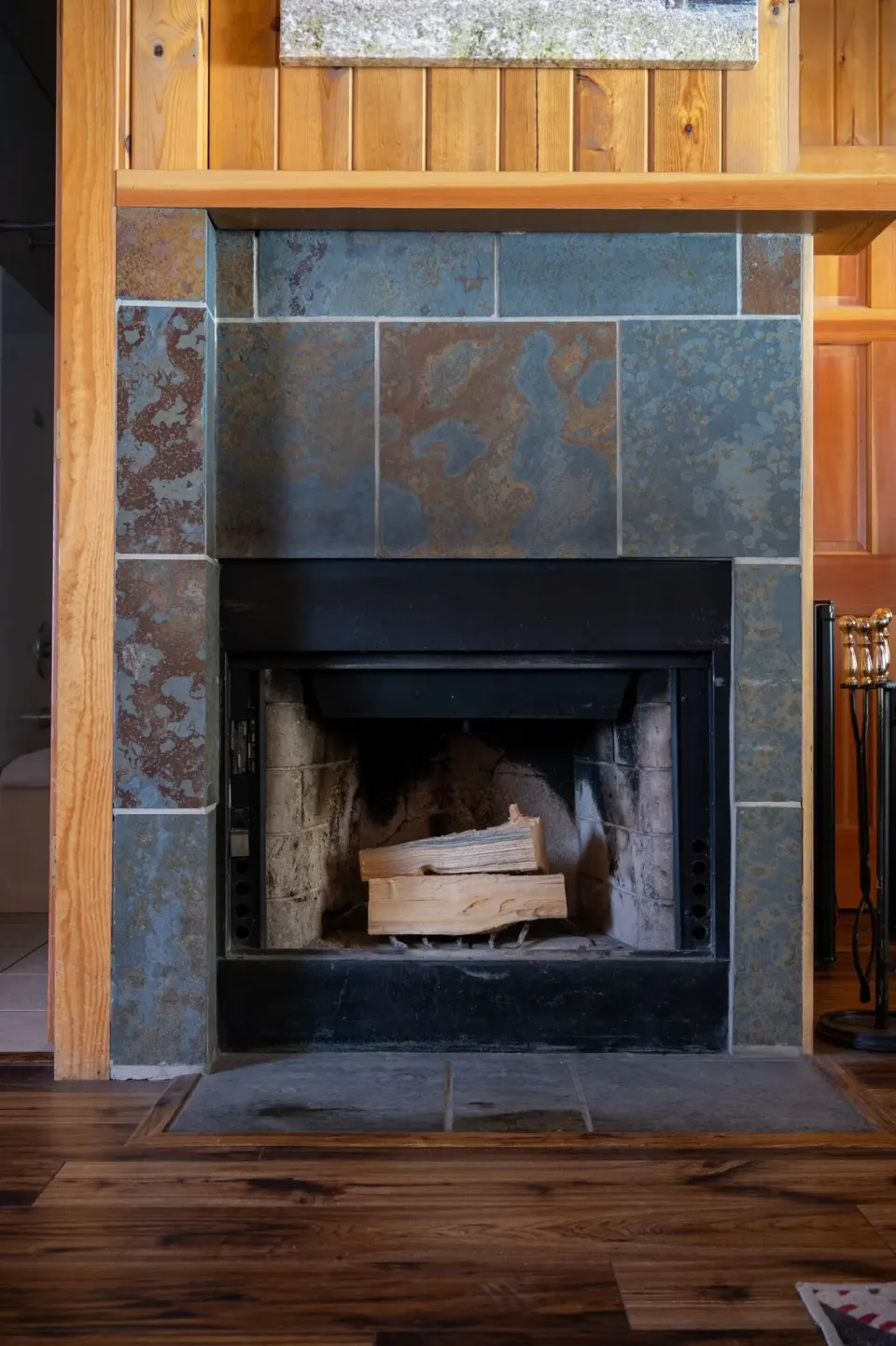
Rooms are log-cabin style and include options such as Deluxe One Room Cabin w/ Kitchenette, Historic McGill cabin, Mountain Chalet, Luxury Cabin, 3 Bedrooms, Two Bedroom Riverfront Cabin, Deluxe One Room Cabin w/ (, and Deluxe One Room Cabin w/ Fireplace. Verify the exact room type when you book.
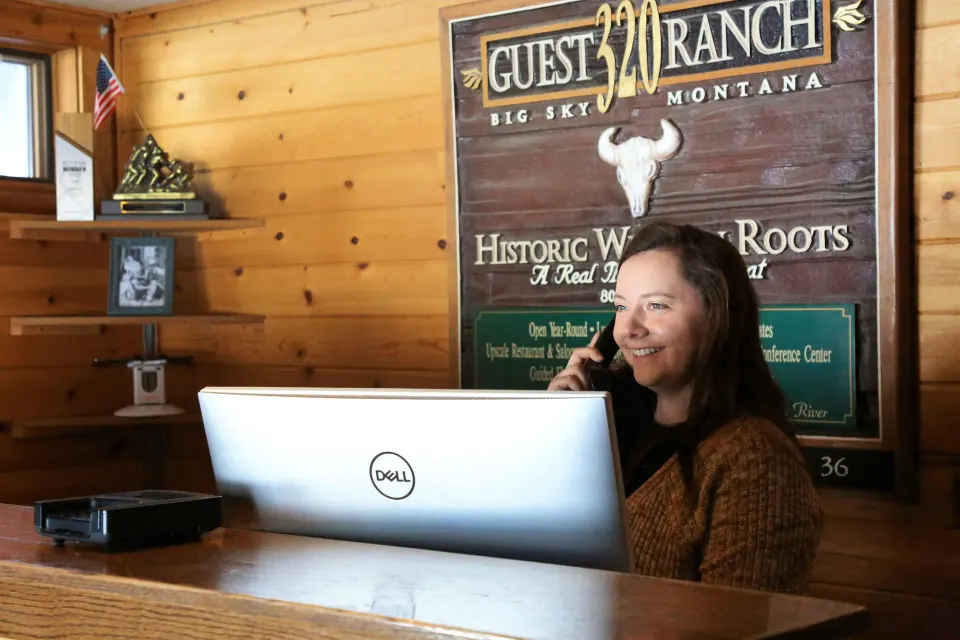
Know key property policies when you pick dates: pets are allowed for $75 per pet, per night (maximum four per cabin); check-in begins at 4:00 PM and check-out is before 10:00 AM; rooms do not have air conditioning and the front desk has limited hours.
- If traveling with pets: factor the per-night fee and the pet limit per cabin.
- If you need meetings or wedding dates: book early for June–September to secure outdoor lawn and tent options.
- If flying: Bozeman Yellowstone International (BZN) is the closest major airport but drive times vary by source—confirm ground transport and notify the ranch if you need pickup arrangements.
| What to check before booking | Why |
|---|---|
| Activity and dining schedules | Many ranch activities and McGill's hours are seasonal |
| Room type (e.g., Historic McGill cabin) | Different layouts and bed counts for families and groups |
| Road and weather forecast | US‑191 can be impacted by winter storms and ski-season traffic |